Fusion Fuel Cycle Management
Fusion Fuel Cycle Management
After many years of focusing on primary systems such as plasma physics and magnetic confinement, the nuclear fusion industry is now turning its attention to fuel cycle management.
While major challenges in core reactor components – be it tokamaks, stellarators or more exotic fusion designs – are being tackled successfully and records continue to be broken in plasma uptime and Q-values (efficiency and net energy gain), another equally critical aspect is now stepping into the spotlight: the fuel itself!
A New Focus: Fuel Cycle
Until now, fuel cycle management has often been treated as a secondary concern, overshadowed by the need to stabilize and confine plasma. But that is changing rapidly. Fusion reactors typically rely on protium or deuterium/tritium (D-T) mixes. Since tritium is a rare and primarily man-made isotope, it must be bred inside the reactor by harvesting neutrons with lithium-6. Once bred, the gas must be extracted, cleaned of fusion by-products such as helium-3 and trace elements, re-mixed, stored and re-injected into the plasma chamber.
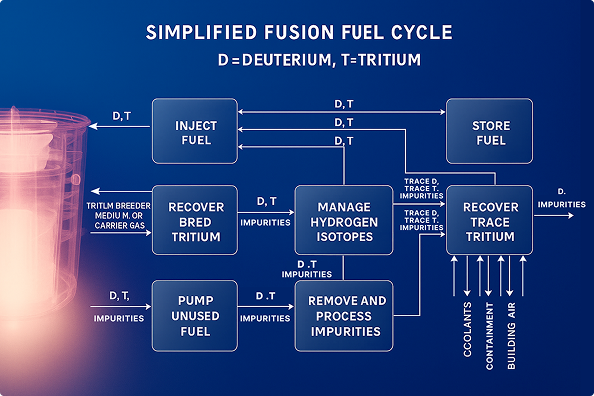
Given the relatively low burn rate of fusion fuel (typically between 1-20%, depending on the reactor type), large amounts of radioactive gas remain in the closed fuel cycle. For cost, efficiency and safety reasons, the inventory of circulating gas must be minimized, while still ensuring operational reserves. This calls for real-time gas analytics, automated control systems and highly regulated pressure ranges – spanning from high vacuum to approximately 10 bar. Over the past two years, the focus and investments have visibly shifted towards solving these secondary but critical engineering challenges.
A Vast Field of Research
The emerging fuel cycle challenges span a wide range of disciplines, including but not limited to:
- Nuclear physics
- Advanced metallurgy and coating technologies
- 3D manufacturing
- High vacuum systems
- Safe handling of radioactive gases
- Chemistry and process engineering
- Simulation and mathematical modelling
These are not incremental innovations, they demand groundbreaking solutions that go far beyond today’s technological standards. They require equipment suppliers who are both, highly specialized and flexible enough to adapt to research timelines.
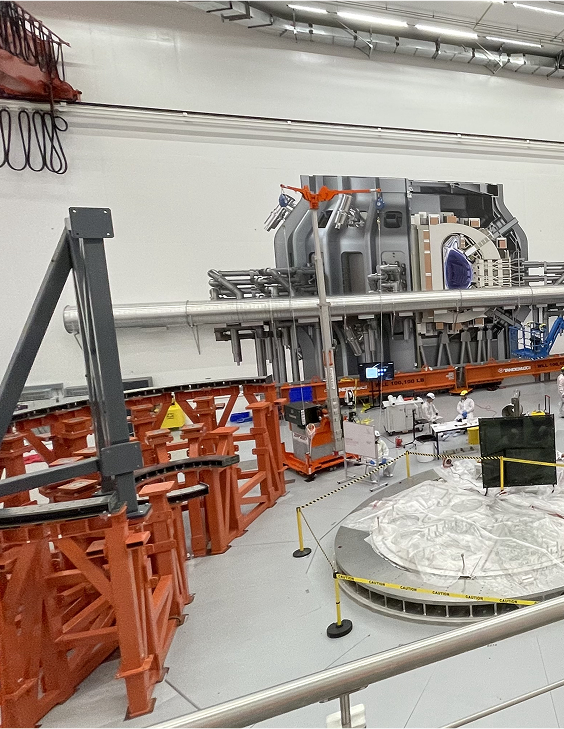
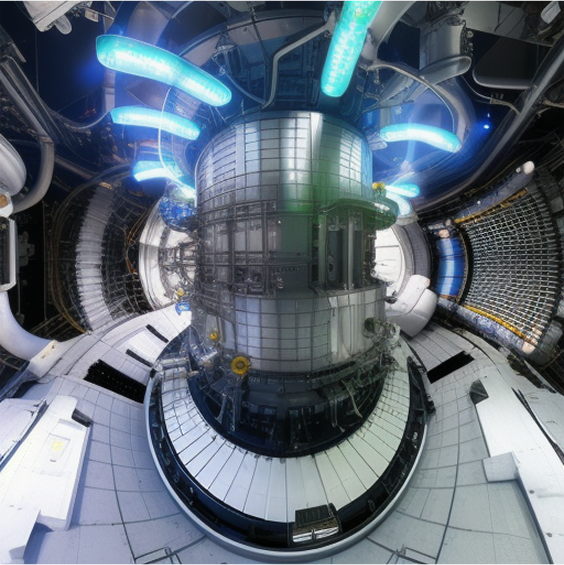
A vast field of research
Some topics which are in focus now are the following:
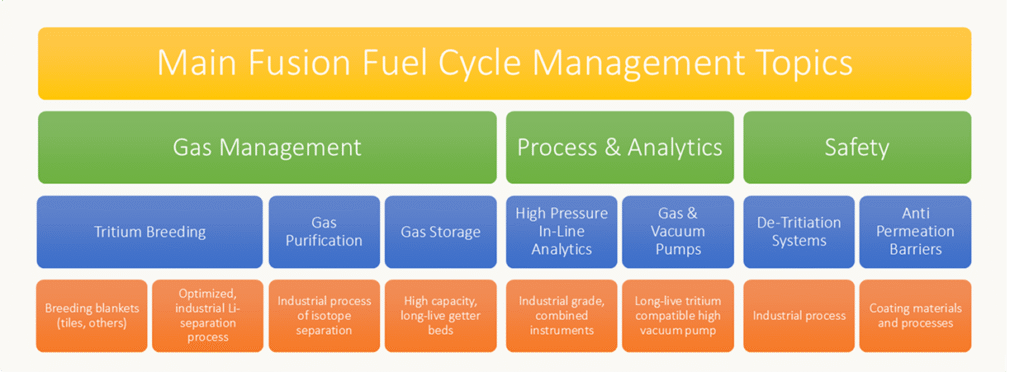
Worldwide, a fast-growing number of projects in research and development are carried out, and a lot of private and public funds are spent to address the various challenges.
To meet these demands, cutting-edge lab equipment, machines and automation systems are now being developed. Often custom-built by a handful of niche expert companies worldwide.
Switzerland plays a leading role in this niche, owing to its long-standing tradition of industrial tritium handling, originally developed for the watch industry. Today, smolsys and RC-Tritec are spearheading the field by offering:
- Proven industrial tritium labs
- Decades of hands-on tritium expertise
- A growing portfolio of ready-to-use and custom solutions for safe tritium management
They serve as technical enablers, bridging the gap between universities, private research labs and the end-user.
Let’s build the Future Together
Looking for a trusted partner in fusion fuel cycle management?
smolsys is your tritium equipment one-stop-shop with its own licensed tritium facility and a mission to make safe, scalable fuel cycle technologies available now.
Learn more and get in contact on our website: https://www.smolsys.com
Contact us.
smolsys, the tritium equipment “one stop shop” with an own tritium facility

Design amazing digital experiences that create more happy in the world.